Africa’s Economic Potential: Demographics, Infrastructure and Capital Constraints
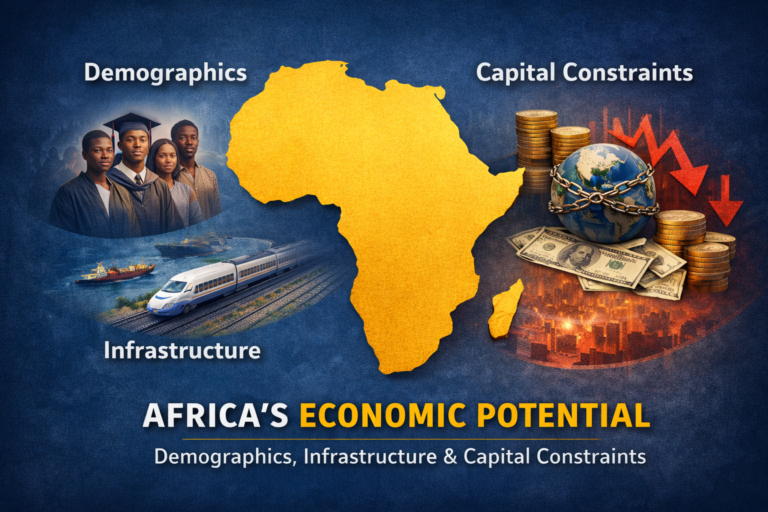
Over the next three decades, Africa will account for more than half of global population growth. By 2050, 1 in 4 people on Earth will be African...

Over the next three decades, Africa will account for more than half of global population growth. By 2050, 1 in 4 people on Earth will be African...
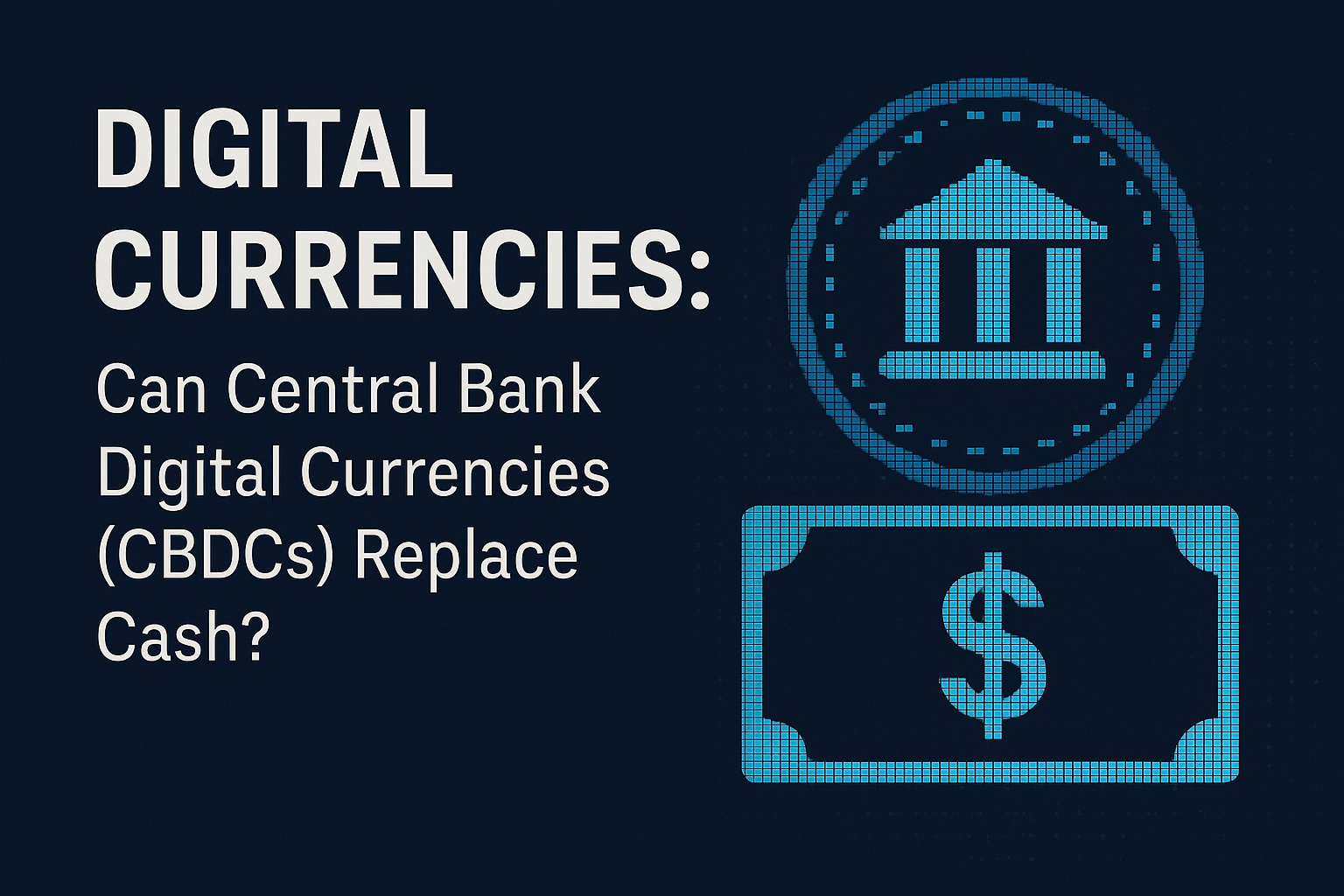
It took humanity thousands of years to evolve from barter to coins, from coins to paper money, and from paper to credit cards. Now, in just a...
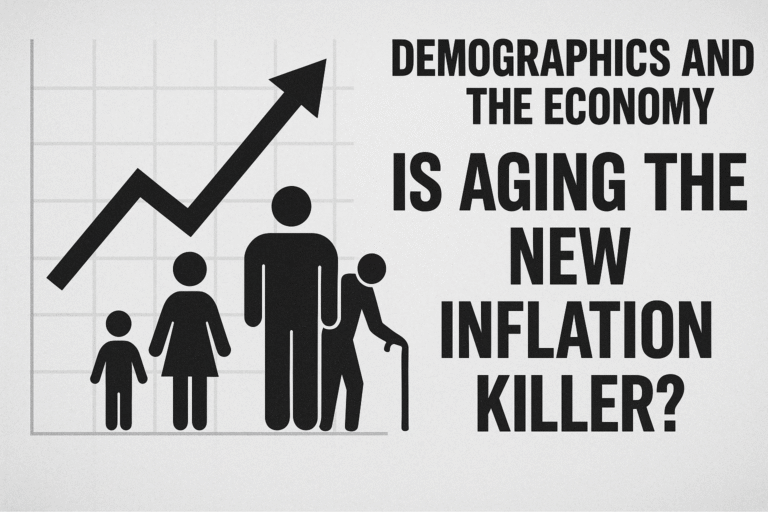
By 2050, one in six people in the world will be over the age of 65, according to the United Nations. This unprecedented demographic shift...

Introduction Nearly 60% of global foreign exchange reserves are still held in U.S. dollars, making it by far the world’s most dominant currency. Yet this share has been steadily declining for the past two decades, down from over 70% at…

Introduction Global debt has just smashed through the $315 trillion mark — that’s roughly $39,000 for every man, woman, and child on Earth. Numbers of this magnitude can feel abstract, almost surreal, yet they are very real. In just the…
Why does your morning coffee cost 30% more than it did two years ago?
Why are rent, groceries, and electricity bills climbing faster than your salary? These aren’t isolated issues—they're symptoms of a broader economic phenomenon that affects nearly every aspect of our financial lives: inflation.

Introduction Since the 2008 financial crisis, central banks around the world have injected over $25 trillion into the global economy — yet their role remains poorly understood by the public. What happens when inflation spirals out of control, financial markets…

In 2018, the world witnessed the beginning of an unprecedented trade war between the United States and China. Increased tariffs, mutual threats...

Why can a single decision by a central bank shake the markets, slow down growth, or trigger a financial crisis? The answer lies in two words: interest rates.